Every dispatch, every corner of the island.
6 stories and counting, newest first. Filter by what moves you — the food, the light, the secret patios — or search by place, dish or detail.
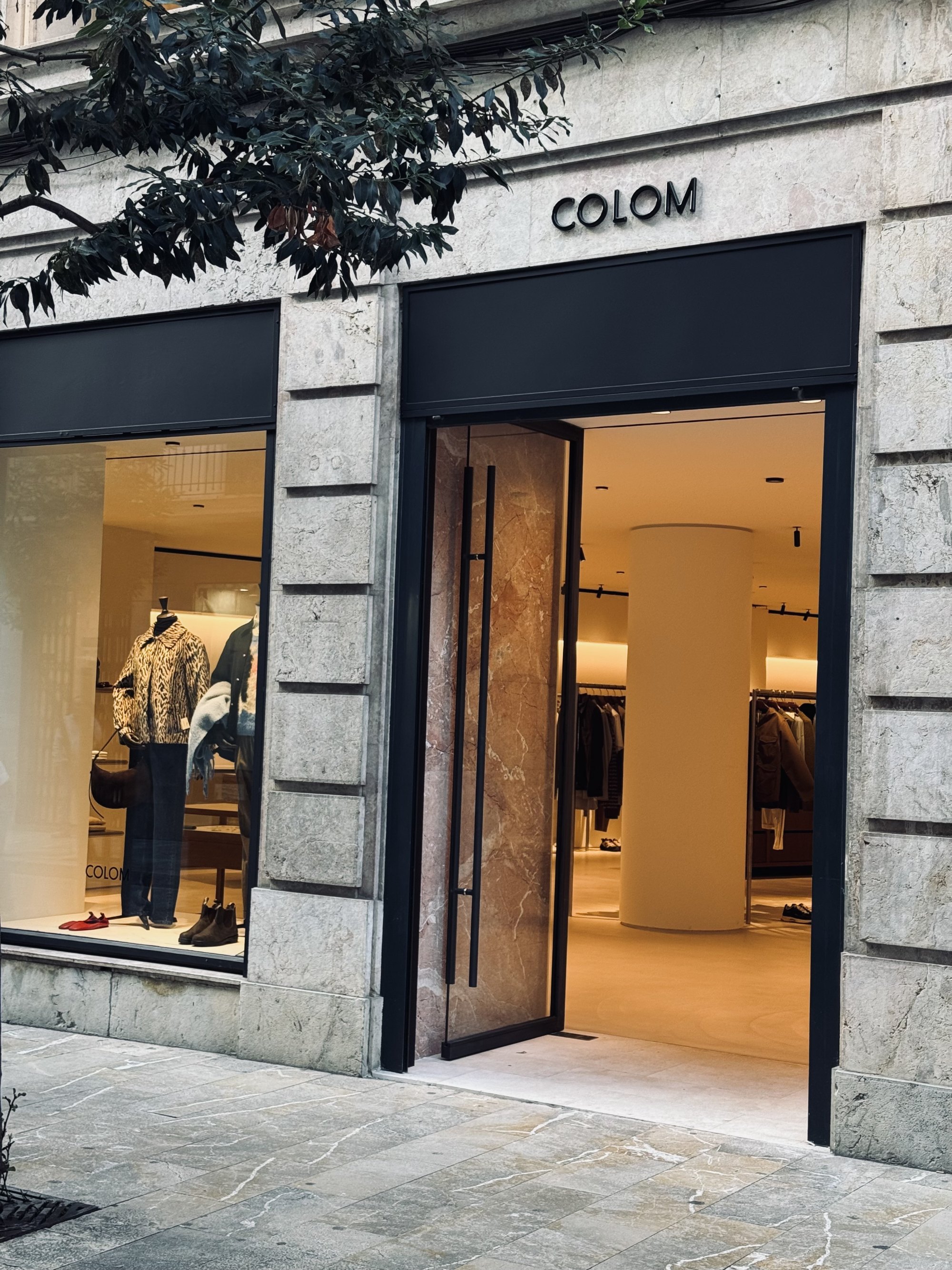
I came for the clothes. Somebody found coffee.
A multi-level fashion store on Carrer de Colom, plus a Rosevelvet café that makes the visit work for both of us.
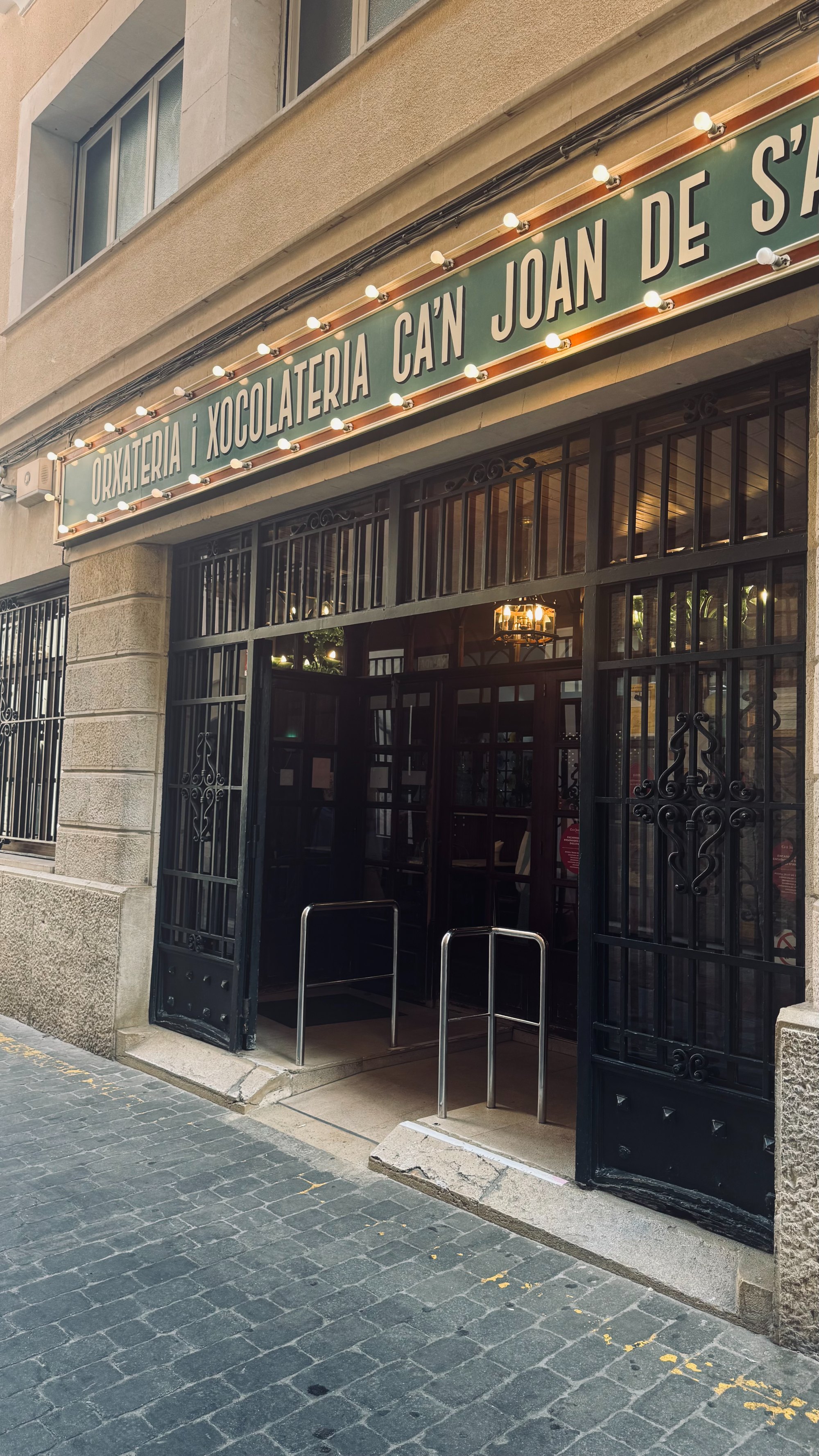
A little strange. I mean that as a compliment.
At Ca’n Joan de s’Aigo, three centuries of history, odd furniture and a faintly ghostly mood are more memorable than what was in my cup.
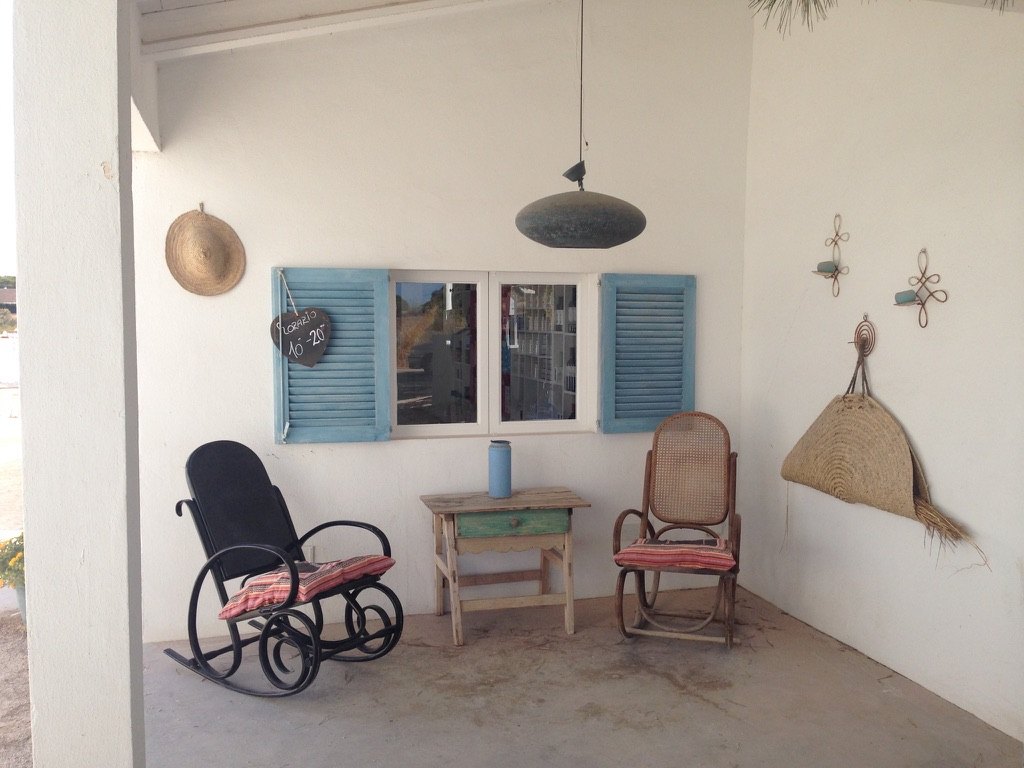
Mallorca, with a pinch of salt
A visit to the Es Trenc salt pans, where seawater, sun and patient hands make one of Mallorca’s most natural souvenirs.
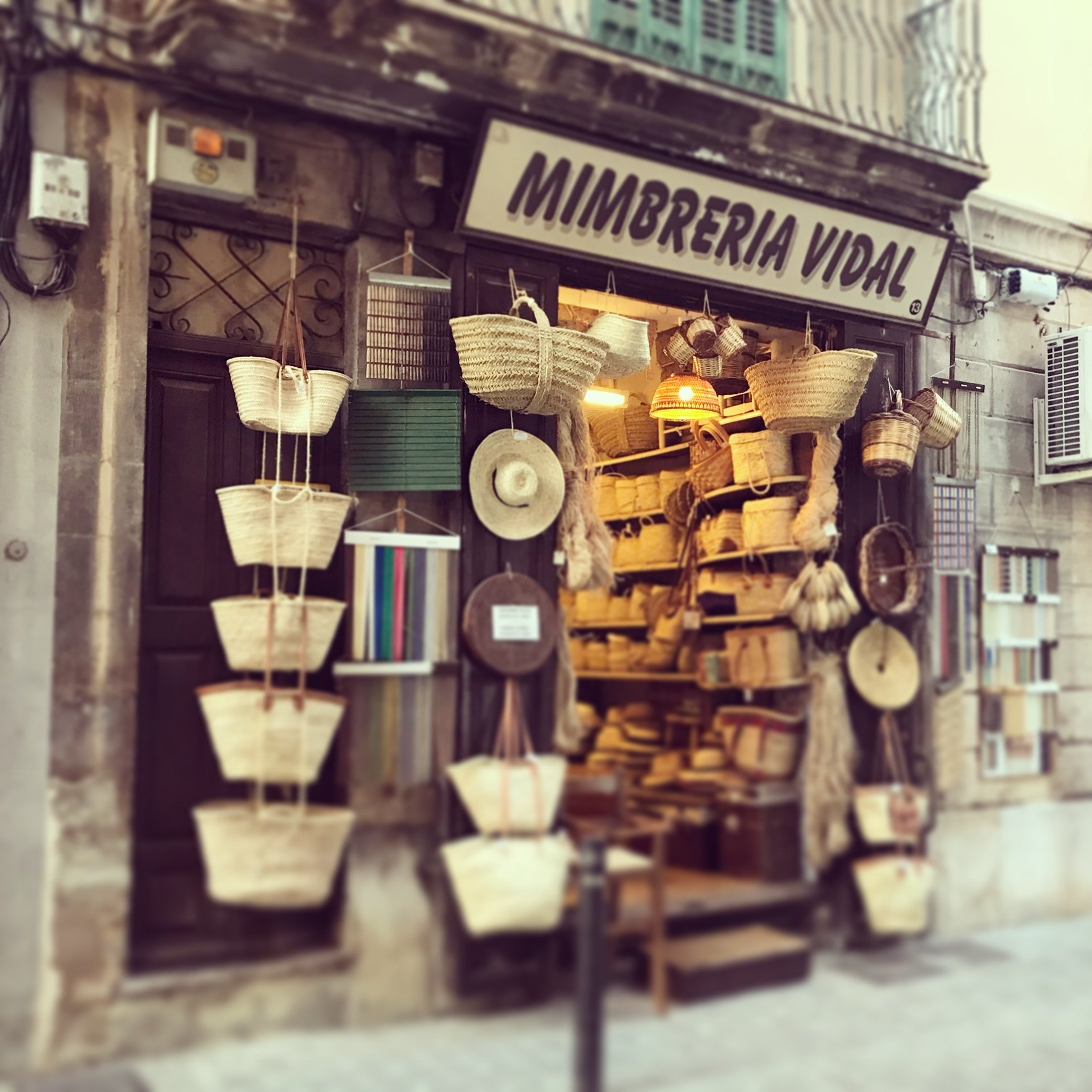
The basket man of Carrer de la Corderia
Useful beauty, Mallorcan craft and a century of baskets stacked almost to the ceiling.
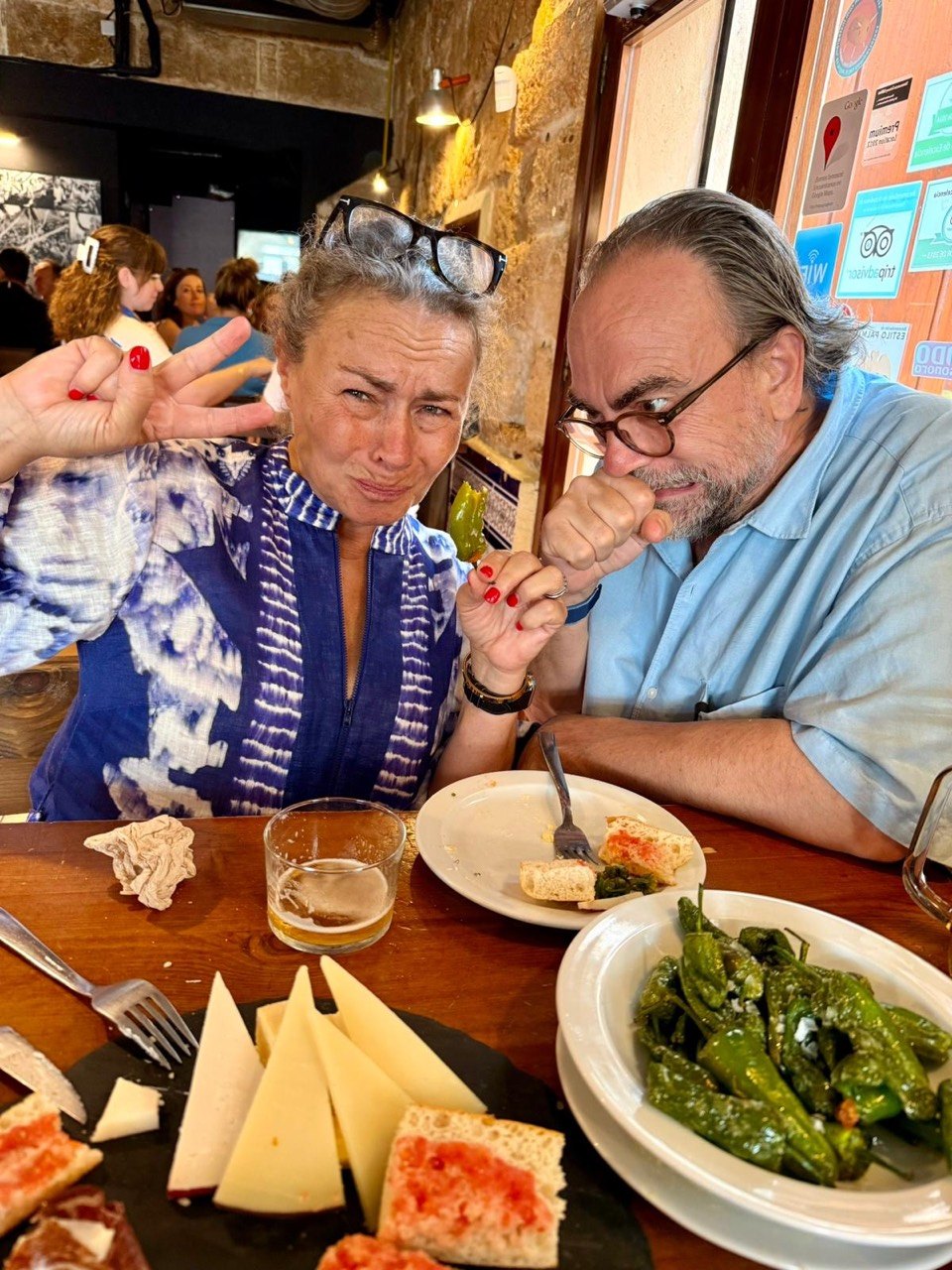
The bar we nearly walked out of
Fifteen years later, its tortilla, noise and beautiful little system of chaos are part of coming to Palma.
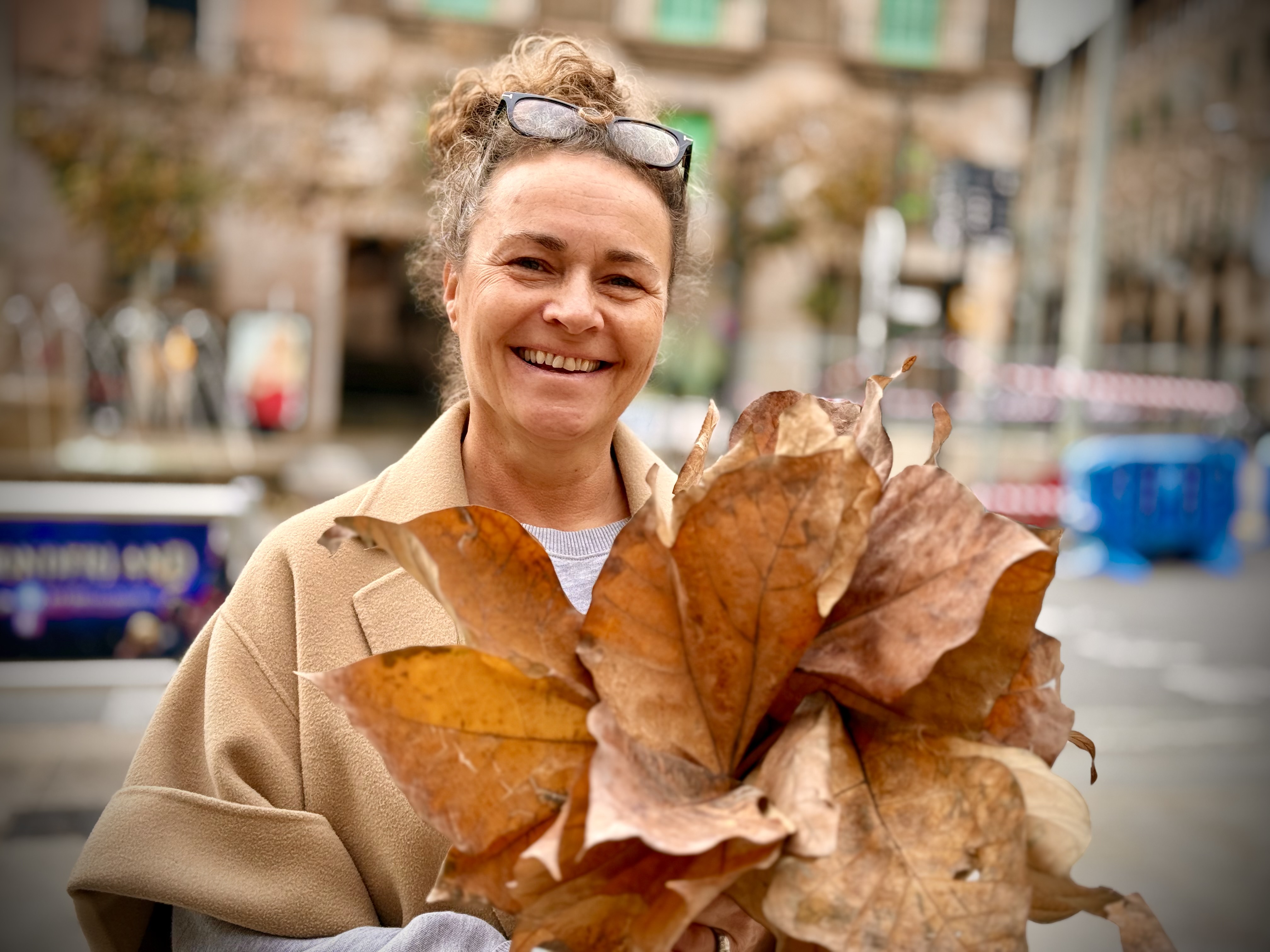
What the Plane Trees Leave Behind
Late autumn in Palma, the old town fills with enormous fallen leaves. I gather them by the armful and bring them home.